


Bearing life calculation forecasts how long bearings endure under load and speed. Accurate predictions are vital for reliability, necessitating careful consideration of factors like load, speed, and maintenance.
Overview of Bearing Life Calculations
Bearing life calculation help predict how long bearings will last in specific conditions. Here’s an overview:
- Dynamic Load Rating (C): It’s the maximum load a bearing can handle without getting damaged from fatigue.
- Equivalent Dynamic Bearing Load (P): It combines radial and axial loads into one value for easier calculation.
- Basic Rating Life (L10): It’s the expected lifespan of most bearings under typical conditions, based on load ratings and loads.
- Adjustment Factors: These tweak the basic rating life to reflect real-world factors like temperature and lubrication.
- ISO Standards: Standardized methods, like ISO 281, guide these calculations.
- Software Tools: Specialized software makes these calculations easier by considering various factors.
 Bearing Life Calculations
L10 life
The L10 life represents the number of revolutions or hours a bearing can operate under a specific load and speed before 10% of a large population of identical bearings fails due to fatigue. It’s a statistical estimate based on the assumption of a constant load and ideal operating conditions.
Reliability
Reliability is the probability that a bearing will reach or exceed its specified L10 life without failure. It’s commonly expressed as a percentage, with higher values indicating greater reliability.
Standard formulas for bearing life calculations
The most widely used formula for calculating bearing life is based on the ISO 281 standard. It incorporates factors such as the dynamic load rating (C), the applied load, and the rotational speed to estimate the L10 life of the bearing.
Other formulas, such as those from ANSI/ABMA or manufacturer-specific standards, may also be used depending on the application and industry requirements.
Importance of considering bearing load and speed
Taking bearing load and speed into account in bearing life calculations is vital, as it directly influences the accuracy of predictions for bearing performance and longevity. Ignoring these factors can lead to incorrect estimations, causing early failures or unplanned downtime in machinery. By factoring in bearing load and speed, engineers can make informed decisions to enhance design parameters, ensuring dependable and efficient operation throughout the bearings’ intended.
Understanding Bearing Load
Types of Bearing Loads
 Radial Clearance
Radial Load – This type of load acts perpendicular to the axis of rotation, pressing the bearing against its outer ring. It’s common in applications where the load is predominantly perpendicular to the shaft, such as in wheels or pulleys.
 Axial Clearance
Axial Load – Axial loads act parallel to the axis of rotation, exerting force along the shaft’s direction. Bearings in thrust applications, like in gearboxes or pumps, often experience axial loads.
 Combined Loads
Combined loads – Bearings may also experience a combination of radial and axial loads simultaneously. This combination can occur in various machinery, such as in rotating equipment like fans or in automotive wheel bearings.
Factors affecting bearing load
- External Forces: Any external forces applied to the bearing, such as loads from machinery operation or dynamic forces, can affect the load the bearing experiences.
- Misalignment: Misalignment of shafts or improper mounting can lead to uneven distribution of loads on bearings, potentially causing premature wear or failure.
- Preload: Preload is a deliberate application of axial load to the bearing during installation to remove internal clearances. It enhances stiffness and reduces vibration, but it can also affect bearing life if applied excessively.
Understanding Bearing Speed
Types of bearing speeds
- Rotational Speed: This refers to the speed at which a bearing rotates around its axis. It’s common in applications such as motors, wheels, and gears where rotational motion is required.
- Linear Speed: Linear bearings experience motion along a straight path rather than rotation. Linear speed is crucial in applications like linear guides and slides, where smooth and precise movement is needed.
Factors affecting bearing speed
 Bearing Lubrication
Lubrication: Proper lubrication is critical for reducing friction and heat generated during operation, allowing bearings to operate at higher speeds without premature wear or failure.
 Bearing Temperature
Temperature: High operating temperatures can affect the viscosity and performance of lubricants, potentially leading to increased friction and reduced speed capability of bearings.
 Bearing Material
Material: The material composition of bearing components, such as the rolling elements and raceways, influences their ability to withstand high speeds without deformation or fatigue.
 Bearing Properties
Properties: Factors like bearing design, cage type, and clearance can impact the ability of bearings to maintain stable operation at high speeds, affecting their performance and longevity.
Critical speed considerations
Critical speed is the rotational speed at which a bearing experiences resonance or excessive vibration, leading to potential damage or failure. Operating bearings near or above their critical speed can result in instability, reduced performance, and an increased risk of catastrophic failure. Factors such as bearing design, stiffness, and mounting configuration influence the critical speed, and it’s essential to avoid operating bearings within this range.
Factors Influencing Bearing Life
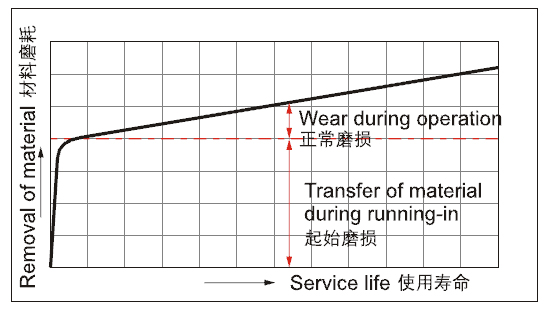 Factors Influencing Bearing Life
Several factors influence bearing life calculation, including the interaction between load and speed, as well as other external factors:
Influence of load and speed on bearing life
Bearing life is directly influenced by the magnitude and direction of the applied load, as well as the rotational speed. Higher loads and speeds generally result in reduced bearing life due to increased stress and fatigue.
Properly managing bearing loads and speeds is crucial for maximizing bearing life calculation and reliability. This can involve optimizing operating conditions, selecting appropriate bearing types and sizes, and ensuring adequate lubrication and maintenance practices.
Interaction between load and speed on bearing life
Bearings subjected to higher loads or speeds experience increased stress and fatigue, leading to a shorter life expectancy. The relationship between load and speed is crucial, as higher loads or speeds individually can accelerate wear and reduce bearing life calculation, but their combined effect can have a synergistic impact, further decreasing longevity. Properly managing both load and speed is essential to optimizing bearing performance and maximizing life expectancy.
Other factors affecting bearing life
- Environmental Conditions: Factors such as temperature, humidity, contaminants, and corrosive agents in the operating environment can significantly impact bearing life. Proper sealing, lubrication, and maintenance practices are essential for protecting bearings from adverse environmental effects.
- Maintenance Practices: Regular inspection, lubrication, and alignment checks are crucial for extending bearing life and preventing premature failure. Inadequate maintenance practices, such as improper lubrication or neglecting alignment adjustments, can lead to accelerated wear and reduced reliability.
- Installation Quality: Proper installation procedures, including correct mounting, alignment, and preload adjustment, are critical for ensuring even distribution of loads and minimizing stress concentrations. Poor installation practices can introduce misalignment, uneven loading, or excessive preload, compromising bearing performance and longevity.
Effect on Load and Speed on Bearing Life
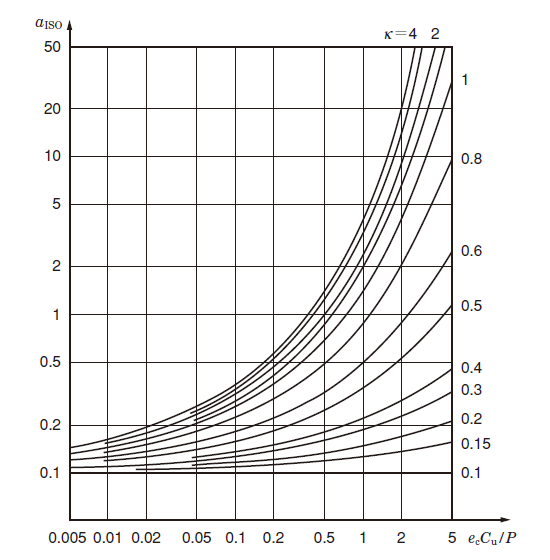 Effect on Load and Speed on Bearing Life
Impact of varying load and speed conditions on bearing life
Bearings operating under higher loads or speeds experience increased stress and fatigue, leading to a shorter life expectancy. Changes in load and speed conditions can affect the distribution of forces on the bearing, potentially causing uneven wear and premature failure.
Load ratings and their significance
Load ratings, such as dynamic and static load ratings, indicate the maximum loads that bearings can withstand without excessive deformation or failure. Exceeding load ratings can result in accelerated wear, decreased performance, and ultimately, bearing failure. Properly matching bearing load ratings to application requirements is crucial for ensuring reliable and long-lasting operation.
Optimizing Bearing Performance
 Optimizing Bearing Performance
Strategies for improving bearing life
- Proper lubrication: Selecting the right lubricant and ensuring adequate lubrication intervals can reduce friction, heat generation, and war, thereby extending bearing life.
- Temperature control: Maintaining appropriate operating temperatures helps prevent thermal expansion, degradation of lubricants, and thermal induced stresses that can affect bearing performance.
- Load and speed management: Avoiding excessive loads and speeds, as well as minimizing shock and vibration, can reduce stress on bearings and prolong their life expectancy.
- Bearing protection: Utilizing effective sealing or shielding mechanisms helps prevent contamination ingress, reducing the risk of abrasive wear and premature failure
Importance of proper bearing selection and installation
Proper bearing selection involves factors such as load, capacity, speed capability, operating conditions, and environmental factors. Choosing the right bearing type, size, and configuration for the application helps ensure optimal performance and longevity of bearing life calculation. Correct installation practices, including proper mounting, alignment, and preload adjustment, are essential for minimizing stress concentrations and ensuring an even distribution of loads. Improper installation can lead to premature wear, misalignment, and reduced bearing life.
Maintenance practices to prolong bearing life
- Regular Inspection: Periodic visual inspection helps detect early signs of wear, misalignment, or damage, allowing for timely corrective action to prevent further deterioration.
- Lubrication management: Implementing a systematic lubrication schedule and monitoring lubricant conditions helps maintain proper film thickness and reduce friction, extending bearing life.
- Alignment checks: Periodic alignment verification ensures that shafts and housings remain properly aligned, minimizing additional loads and stresses on bearings.
- Training and education: Providing proper training to maintenance personnel on best practices for bearing handling, installation, and maintenance promotes proactive measures to prolong bearing life and optimize performance.
Conclusion
Bearing life calculation predicts longevity under load and speed. Proper load and speed management, lubrication, and maintenance are vital for maximizing performance and reliability.

